Service · both directions
The answers you need are not published anywhere.
Desk research tells you what a market looked like eighteen months ago. What decides your entry is what a hospital purchasing director, a distributor or a clinic owner will tell you when someone they trust calls them, in their own language.
Engage us for this if
- You have to decide whether to enter, and no published source settles it
- You need to hear from clinicians, distributors or purchasing directors directly
- You are sizing a segment where the official numbers and the real ones differ
- You need evidence an investment committee or a board will accept
This is not the right engagement if
- You want a syndicated report — those exist, and they are cheaper
- You need the answer next week; primary fieldwork does not compress below a few weeks
- You want the interviews run blind, without our name attached
What you get
Named deliverables, not a scope of intent.
- Named, qualified respondents — not an anonymous panel
- Interviews conducted in Mandarin, French or English by someone who knows the sector
- Verbatim answers, not only aggregated scores
- A decision framework built as an issue tree, not a deck of projections
- Exclusivity: what we collect for you is not resold to anyone
- Respondent anonymity, held on both sides — they are not named to you, you are not named to them
- A working session with the team who ran the interviews
Why this is hard
A study is only as good as the question it starts from
Most market studies fail before anyone is contacted, because nobody wrote down what would have to be true for the market to be worth entering. Without that, you get a collection of interesting facts and no decision.
What is published is now free, instant and identical for everyone
Policy, regulation, filings, published market data: your competitors have all of it, and so does any language model. It is the floor of a study. It cannot be the answer.
No model can call a hospital in Chengdu
What decides your entry is what a purchasing director, a distributor or a clinic owner says when someone they trust calls them in their own language. That information exists nowhere else, and after the interview it belongs to you alone.
The thin branches are the ones that matter
A study that reads as uniformly confident has hidden something. We say which conclusions the evidence carries and which it does not, because you are going to spend money on the difference.
Duration. Typically six to twelve weeks, driven by the number and seniority of interviews.
Why this matters more now, not less
No model can call a hospital in Chengdu.
Anything already written down is now available to everyone, instantly and for free. A language model will summarise the published literature on your market better and faster than any junior consultant ever did. That part of the research business is finished, and pretending otherwise is dishonest.
What no model can do is place the call. It cannot sit in a distributor's office in Guangzhou, ask the second question that the first answer made necessary, or read the pause before someone answers what they really pay. Primary interviews produce information that exists nowhere else — and that, after the interview, exists only for the company that commissioned it.
That is the part of our work that has become more valuable, not less. It is also the reason we run the interviews ourselves rather than subcontracting them to a panel.
What you get
- Named, qualified respondents — not an anonymous panel
- Interviews conducted in Mandarin, French or English by someone who knows the sector
- Verbatim answers, not only aggregated scores
- A decision framework, not a deck of projections
- Exclusivity: what we collect for you is not resold to anyone
Interviews are scoped and priced individually — senior stakeholders cost more than clinic managers, and a study that needs twelve is a different engagement from one that needs forty.
The method
Three sources, deliberately combined
Desk research
Policy, regulation, published market data, competitor filings. The floor, not the answer — and the fastest part to produce.
Data analysis
Hospital and channel data, tender records, e-commerce and prescription signals — read by people who know what the anomalies mean.
Expert interviews
Clinicians, KOLs, distributors, purchasing directors, regulatory consultants. Our own network, approached directly. This is the part you cannot buy anywhere else.
We frame every study as an issue tree before anyone is contacted: what would have to be true for this market to be worth entering, and what evidence would settle each branch. It is what stops a study from becoming a collection of interesting facts.
A side effect worth naming
The research builds your market map, not your call list
What a study leaves you with is the structure of the market: which distributors matter, how purchasing groups actually decide, where a category is won. The people who told us that are not identified to you and are not approached commercially afterwards — we promise them that before they agree to speak, and it is why senior respondents agree at all. Acting on the map is separate work, done openly and with agreement. Keeping the two apart is what makes the next study possible.
Confidentiality runs the other way: what you are considering stays protected. We tell respondents what the study is about, not who is asking.
Recent studies
- Premium probiotics in China — long list to shortlist, then in-depth analysis of acquisition targets, for a global food group
- Local-manufacture options for a laboratory-equipment leader facing a national localisation policy
- Dental targets across Europe, for a Chinese group looking outward
- Medical cosmetics, both directions of the corridor
- Expert-panel research on dermatology for L'Oréal's dermatological division
What this costs
€25,000 – €50,000 for a full study. Smaller scoped pieces — a single competitor, one channel, ten interviews — start well below that.
Why we publish it
Because you need to know which internal approval route to open before you spend half an hour finding out. A range is not a quote, and nobody has ever been offended by a range. Yours is quoted line by line — named people, day counts — so you can remove anything you do not want.
What you can hold us to
You always know who pays us
Some engagements are fee-only; business development can carry success-linked compensation. Whichever applies, the structure is agreed with you in writing before the work starts and it is in the Scope of Work.
Priced before you commit
A detailed, line-by-line quote — named people, day rates, day counts — so you can remove anything you do not want and benchmark what is left.
A partner replies, not a salesperson
The partner who scopes the work is the partner who does it. Expect an answer within two working days.
All three appear in every Scope of Work. If we are not the right firm for the question, we say so — and, where we can, say who is.
Who leads this
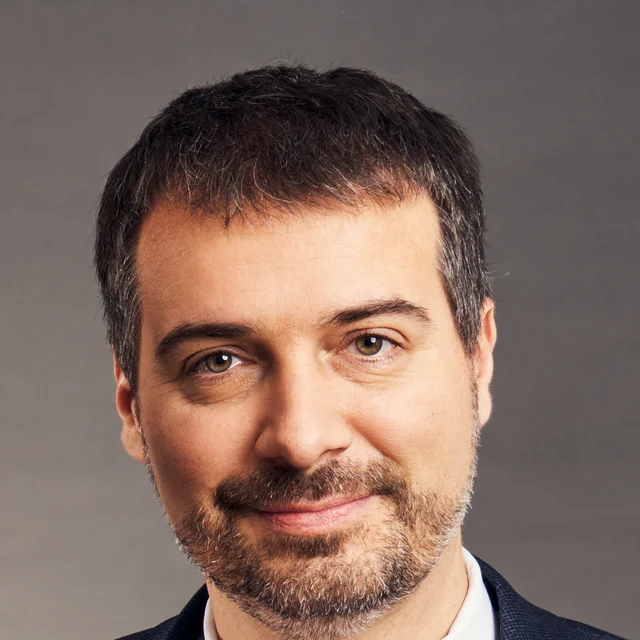
Benoît Raoult
Managing Partner · Co-founder
A serial global entrepreneur and a reference for start-ups in digital and healthcare cross-border development, with over twenty years of business and social entrepreneurship across North America, Europe and Asia.
This work, already done
How do Chinese dermatologists actually recommend?
Ninety dermatologist interviews across ten cities, and a sequence that explains why scientific credibility was not converting into recommendations.
Read the case → More engagementsNine case studies, described in full
What was asked, what we did, what it produced, and what it taught us.
All case studies →What people ask us
- How many interviews does a study need?
- It depends on how heterogeneous the market is and how senior the respondents must be. A study that needs twelve is a different engagement from one that needs forty. We scope and price interviews individually, because a hospital department head costs considerably more to reach than a clinic manager.
- Can you not just use AI for this?
- For the published literature, yes — and we do. A language model summarises it better and faster than a junior consultant ever did, and pretending otherwise would be dishonest. What no model can do is place the call, ask the second question the first answer made necessary, or read the pause before someone tells you what they really pay.
- Do we own the findings?
- Yes. What we collect for you is not resold, syndicated or reused for another client. That exclusivity is the reason primary work costs what it does.
- Who do you tell the respondents we are?
- We do not. We interview under our own name and we tell respondents what the study is about, not who commissioned it. Your interest in the category stays protected.
- What happens to the people you interviewed?
- Nothing commercial, and this is deliberate. Research participants are not identified to you and are not contacted commercially as a result of taking part — we tell them so before they agree, and it is why senior people agree to speak with us at all. What you keep is the market map: which organisations matter, how they buy, who decides. Approaching any of them is a separate piece of work, done in the open, with their agreement. A firm that quietly converts its respondents into a client’s call list is one disclosure away from losing the panel that makes its research worth buying.
- Will our compliance team have a problem with this?
- It is the question they should ask, and the answer is written down. We keep market research and expert identification strictly apart: research is anonymised and never becomes business development, expert identification is named and separately consented. We interview healthcare and industry professionals in their professional capacity and run no patient research, so no sensitive personal data enters the work. The detail is on our procurement page and in our privacy policy.
The next step
Scope a study.
Tell us the market, the product and the decision in front of you. A partner replies within two working days with either a scoped, line-by-line quote — or the reason we are not the right firm for it.